
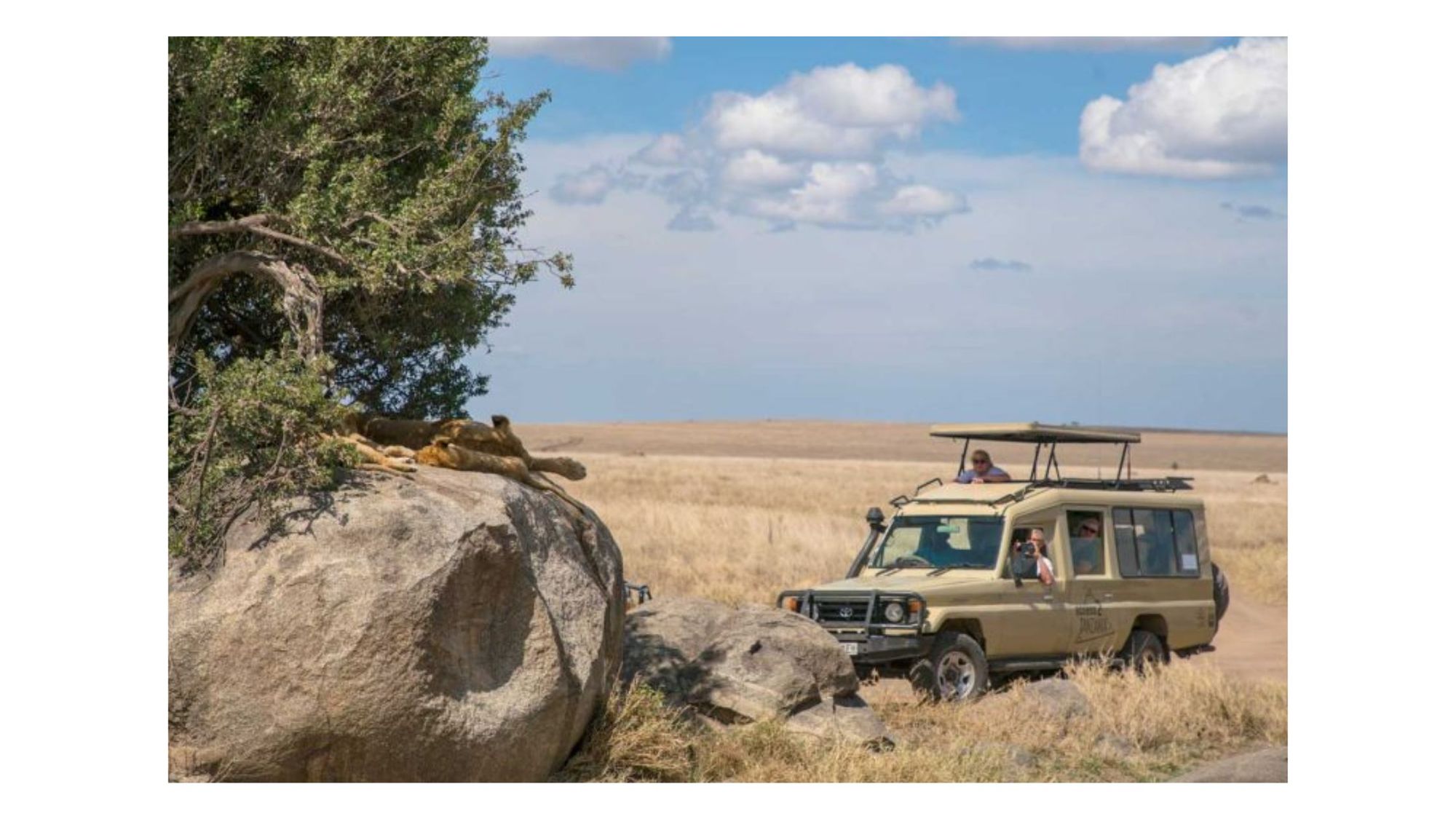
The old safari checklist still exists for many enthusiastic travelers. Lions, Elephants, and The Great Migration. But many travelers now want something less rushed. They want room to notice the people, the silence, and the long drives between parks. That shift is changing how travelers look at Tanzania Tour Packages. The focus is moving away from packed itineraries and toward experiences that feel personal and grounded.
That change also affects how visitors view Tanzania Wildlife Safari Packages. Travelers are asking different questions now. They want to know who guides the trip. They ask how much time stays inside the vehicle. They care about local context, not only wildlife counts. Many also look for Tanzania Travel Packages that combine safaris with cultural visits or coast stays. Tanzania’s official tourism platform reflects that wider interest by promoting wildlife, beaches, mountains, and culture together rather than as separate experiences.
Why are travelers slowing down in Tanzania?
Part of the answer is simple. Tanzania rewards patience. The country is large, and its rhythm changes by region. Northern parks feel different from the southern circuit. Zanzibar feels different from the Serengeti. Even a single game drive can shift mood within an hour.
UNESCO describes the Serengeti ecosystem as one of the oldest on Earth, with migration patterns that still follow ancient routes. That sense of continuity affects people. The experience feels less like entertainment and more like witnessing something ongoing.
Many travelers arrive expecting action every minute. Then they begin remembering quieter moments instead. Morning fog over the crater. A guide explaining animal tracks. A roadside conversation near a village market. Those details often stay longer than the photographs.
What makes modern safari planning more complex?
The internet made Tanzania easier to discover, but harder to plan well. Travelers now face hundreds of route combinations, lodge styles, and transport choices. That is why experienced operators still matter.
Access 2 Tanzania presents itself as a company focused on customized safaris and practical planning support. The company offers itineraries across northern parks, southern parks, mountain regions, and Zanzibar. It also provides guidance on visas, timing, health information, and accommodations. Those details shape the quality of the experience long before the trip begins.
Why do travelers want more than wildlife now?
Wildlife still drives most first visits, but travelers increasingly want context. A safari without local understanding can feel incomplete. Tanzania offers many ways to widen the experience through culture, history, and geography.
The Ngorongoro Conservation Area is one example. UNESCO describes it as a place where wildlife and Maasai pastoral communities coexist within the same landscape. That balance changes how visitors understand conservation. The land is not separated from people. It is shared space with long traditions and active communities.
This is one reason travelers now choose longer itineraries with fewer stops. They want time to absorb the place rather than simply pass through it.
What role do guides play in the experience?
A guide often determines whether a safari feels transactional or meaningful. Strong guides do more than locate animals. They explain behavior, weather, history, and terrain. They also manage pace and energy throughout long travel days.
Access 2 Tanzania states that it works with experienced guides and focuses on customized travel experiences. That approach fits a larger trend in safari travel. Visitors increasingly value conversation and local knowledge as much as luxury amenities.
Good guides also understand emotional timing. They know when travelers need silence and when they need explanation. That skill rarely appears in brochures, but it shapes memory more than most travelers expect.
Why are blended itineraries becoming more common?
Many travelers no longer want a safari-only vacation. They want contrast. A wildlife drive followed by a few days near the Indian Ocean creates emotional balance. Tanzania supports that style naturally because beaches, mountains, and parks sit within one connected travel network.
Access 2 Tanzania includes Zanzibar, Kilimanjaro, and cultural tourism options alongside traditional safaris. That reflects how travelers increasingly build layered journeys instead of single-theme trips.
This shift also changes how people think about value. The best trips are not always the busiest. They are often the most balanced.
What do travelers remember after returning home?
Most people return with stories that sound smaller than expected. A guide sharing coffee at sunrise. A child waving near a roadside village. The sound of animals outside a camp at night. Those moments shape how Tanzania stays in memory.
That is why modern Tanzania Tour Packages are becoming more thoughtful and less crowded. Travelers want space for reflection, not only movement. The same applies to Tanzania Wildlife Safari Packages, which increasingly combine wildlife viewing with culture and slower travel rhythms. Well-designed Tanzania Travel Packages now feel less like tourism products and more like carefully shaped experiences.
In that changing landscape, Access 2 Tanzania reflects a style of travel centered on preparation, local insight, and flexibility. For many travelers, that quieter approach may be exactly what makes Tanzania feel unforgettable.